The Journey
Where nanoplastics go once you swallow them.
01 — From Farm to Table
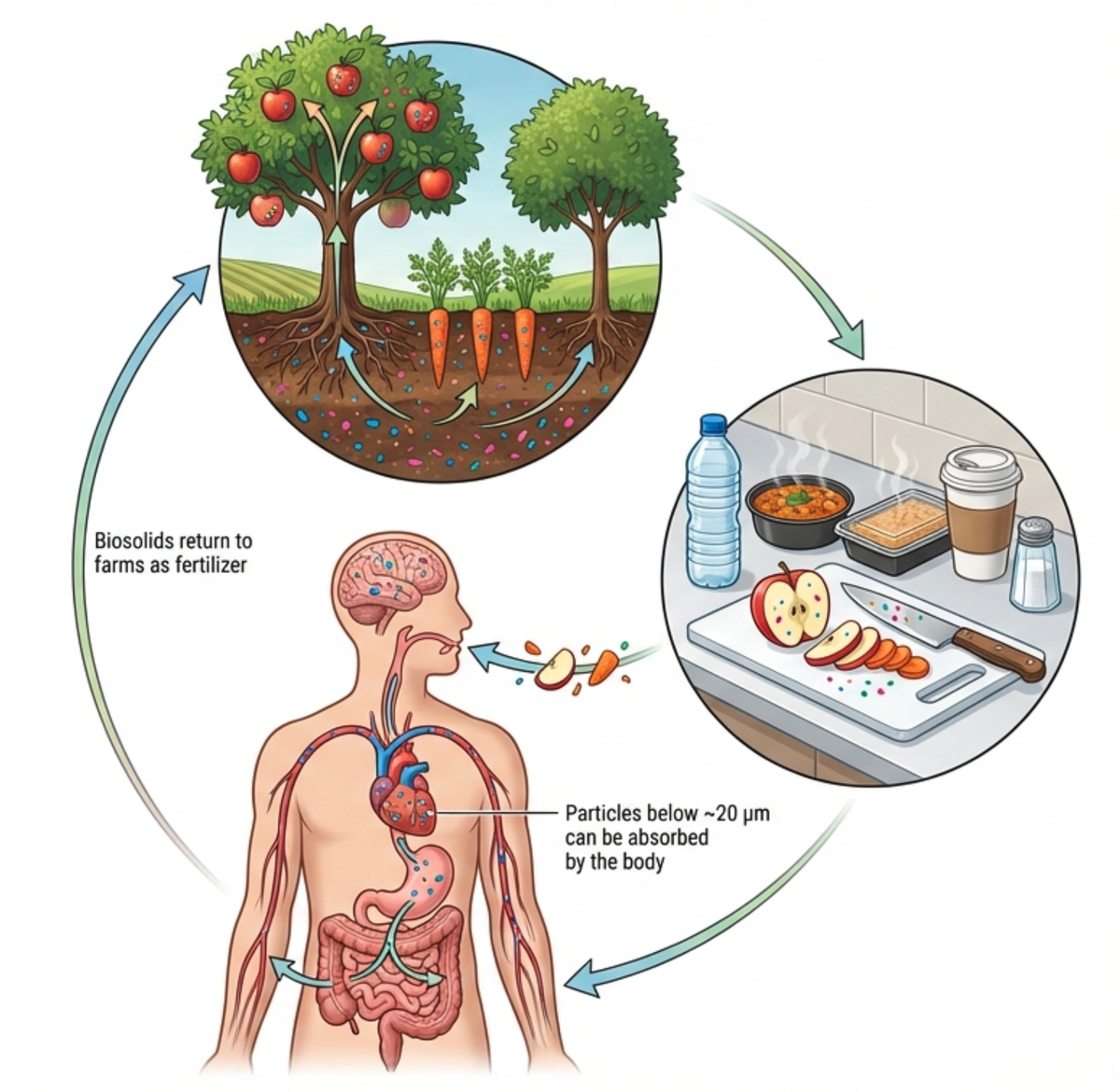
They Enter the Food at Every Level
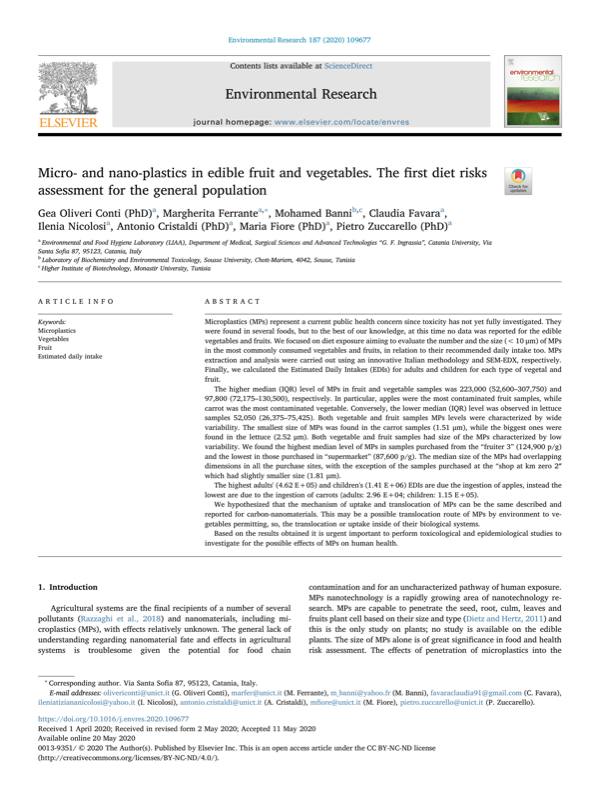
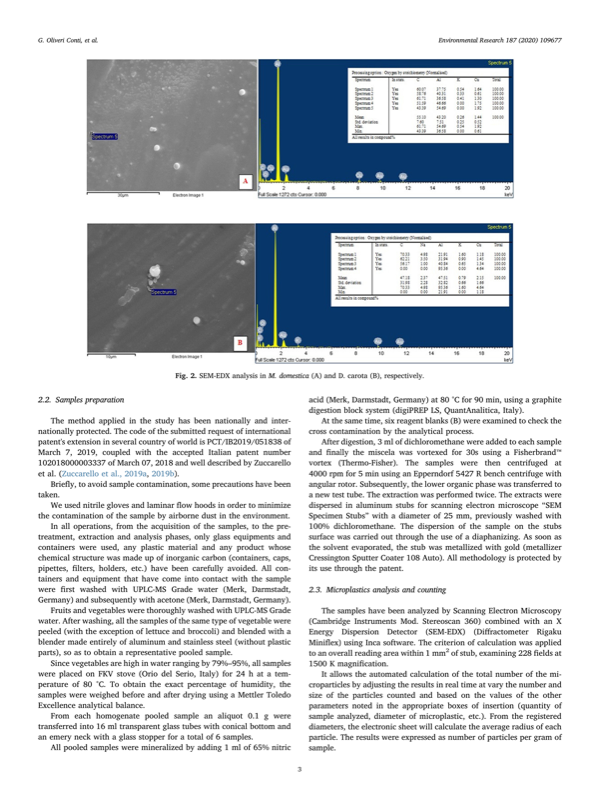
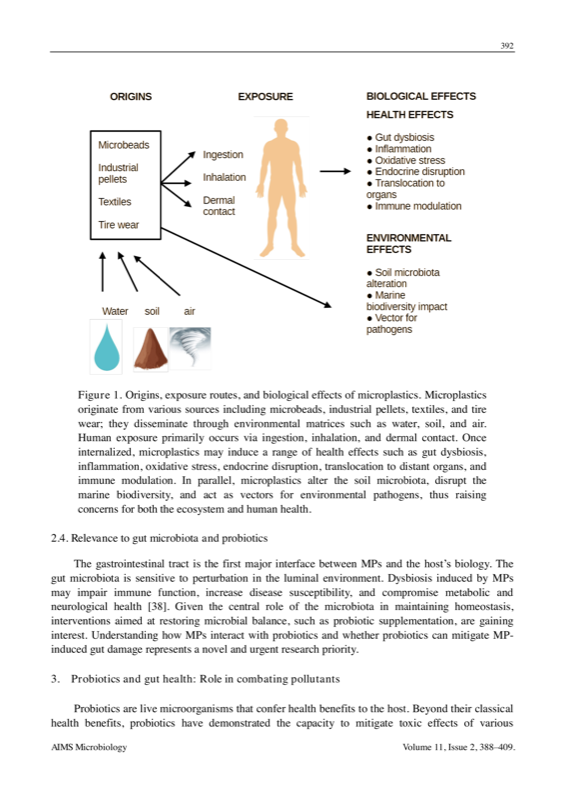
Nanoplastics are small enough to evaporate with water that forms rain, get deposited from irrigation, and are now distributed globally into all soils. They enter your food while it's growing, onto its surface after it's picked, and at later stages — from the plastic cutting board at your restaurant to the hot container of your delivery order.
From farm to table, there are many ways plastics make it into your food, and ultimately into your body. A Columbia University study found over 240,000 nanoplastic particles in a single liter of bottled water — 100x more than previously estimated.
Qian et al., PNAS, 2024
02 — Breaking Down
Microplastics Are Becoming Something Worse
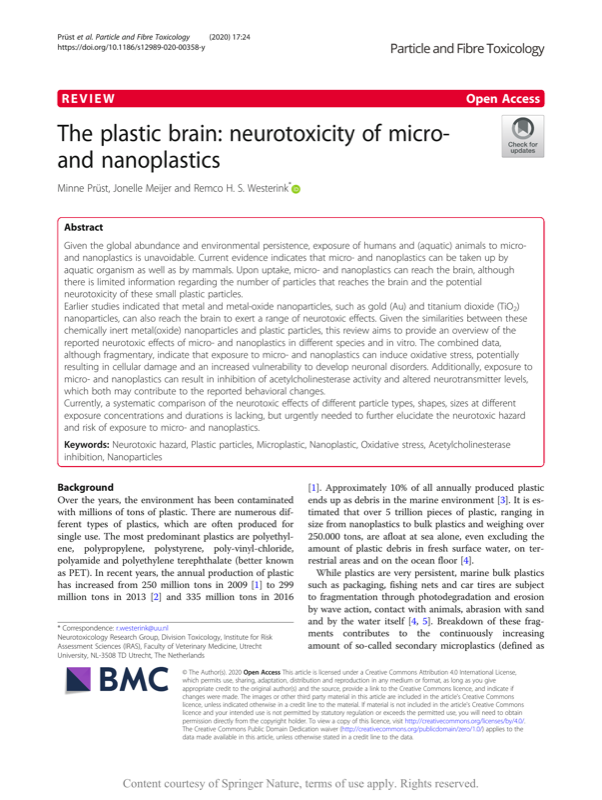
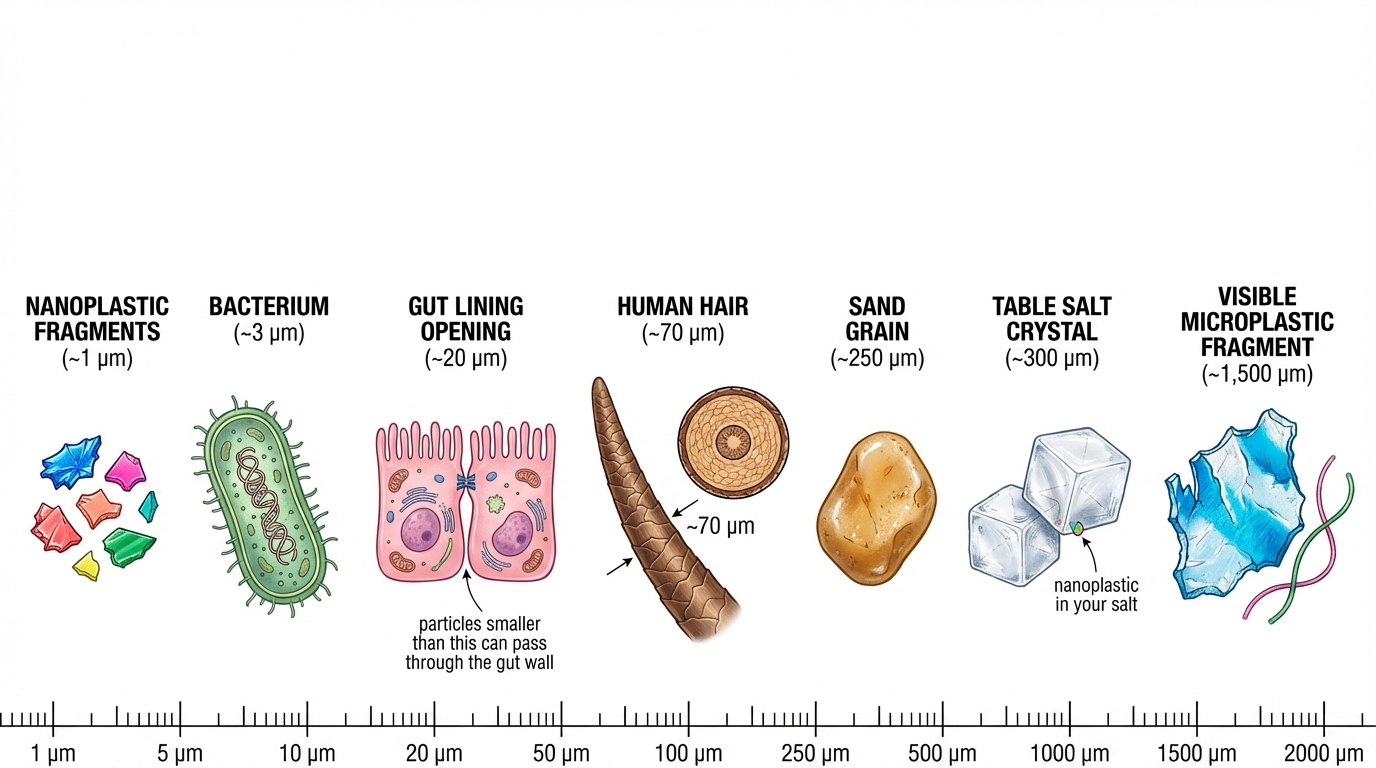
You've probably heard of microplastics — tiny fragments that break down from everyday plastics. What you may not know is that they continue to break down further into nanoplastics, particles smaller than 1 µm — about 1/70th the width of a human hair.
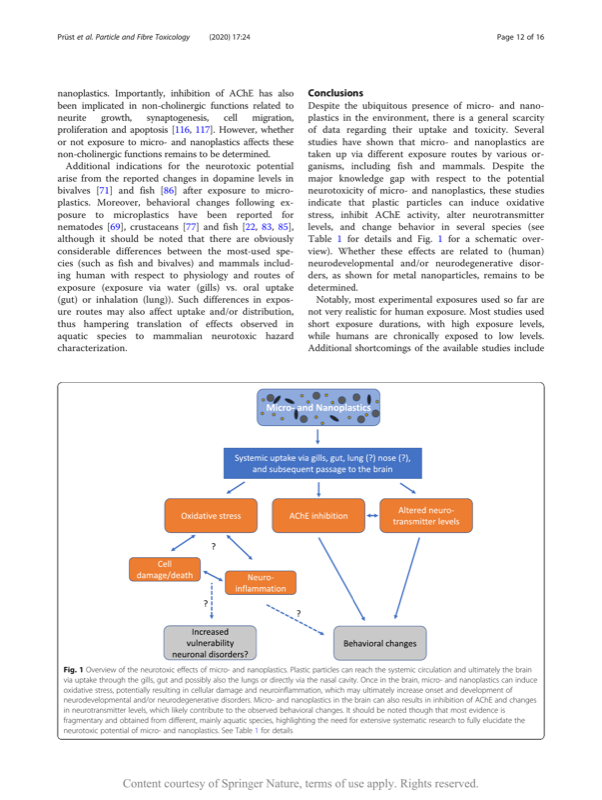
Scientists only recently developed the techniques to measure them, and the more we learn, the worse it gets. Nanoplastics are small enough to pass directly into the body. Particles below ~20 µm can be absorbed through the gut wall. These tiny particles go from the environment into the food chain and can end up in human bodies, where they are linked to serious health problems.
Demarquoy, AIMS Microbiology, 2025; Zhao et al., Chemosphere, 2023
03 — Accumulation
Found in Nearly Every Organ Researchers Have Looked At
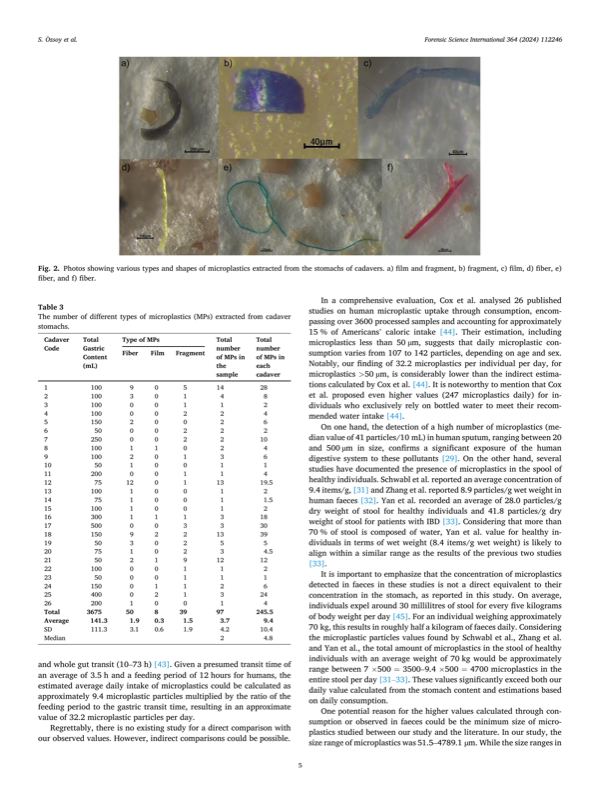
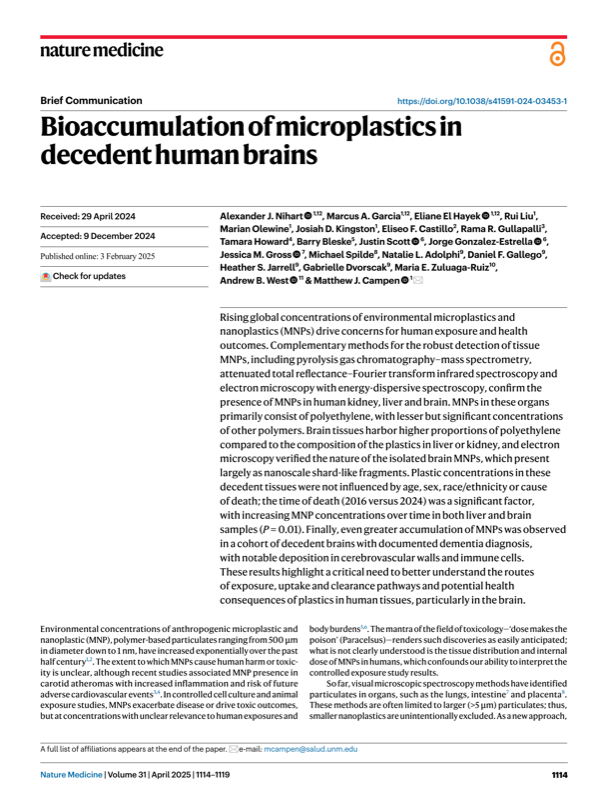
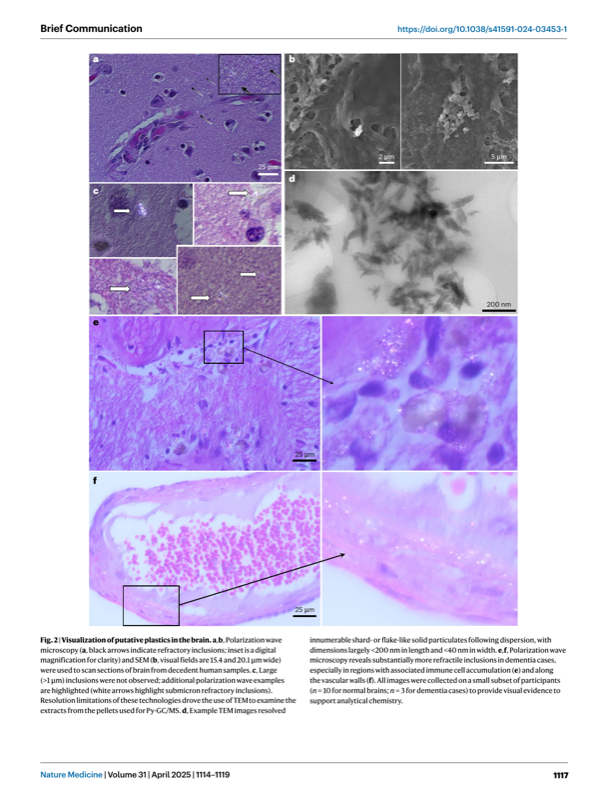
Nanoplastics have been found in nearly every organ researchers have examined — causing blood clots, heart attacks, and more.
Marfella et al., NEJM, 2024; University of New Mexico, 2024
Brain
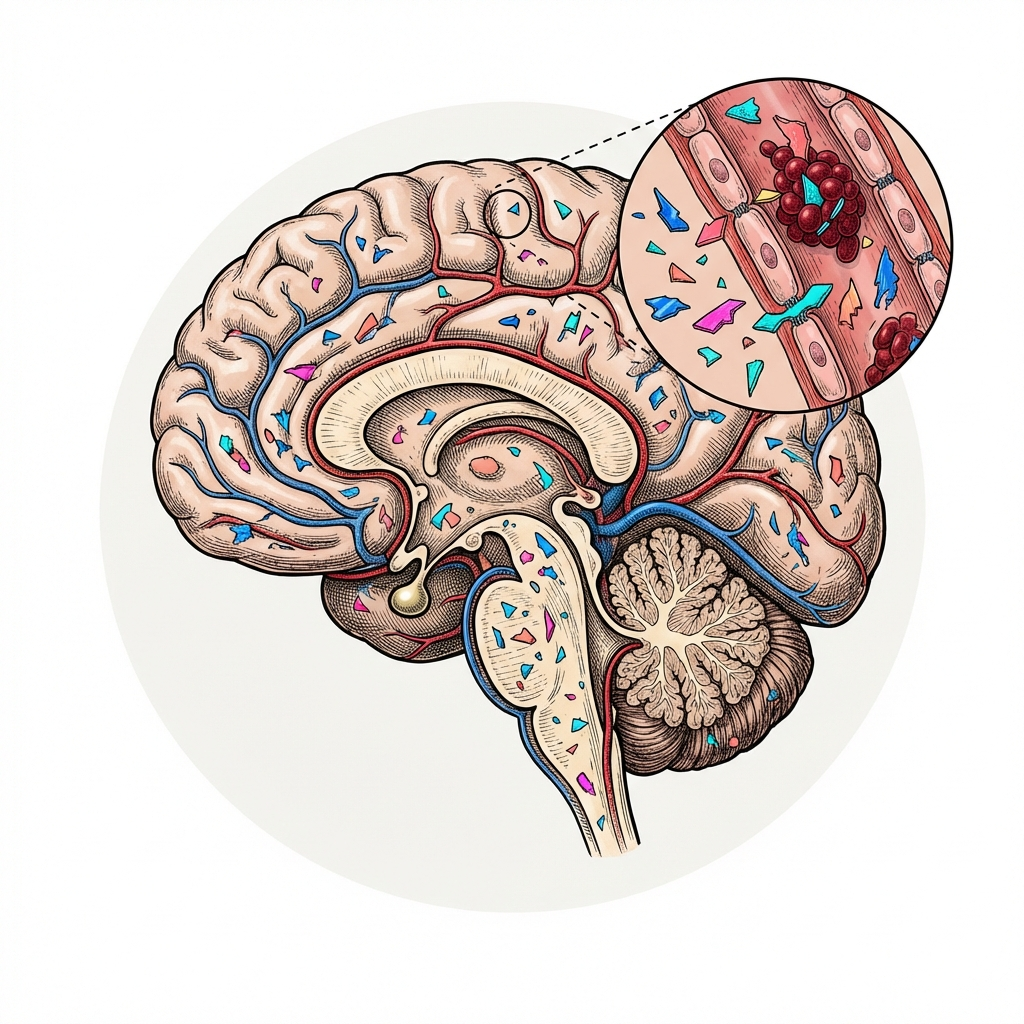
Clots & Neurological Damage
Levels 7–30x higher than other organs. They cross the blood-brain barrier and cause cerebral blood clots.
Heart
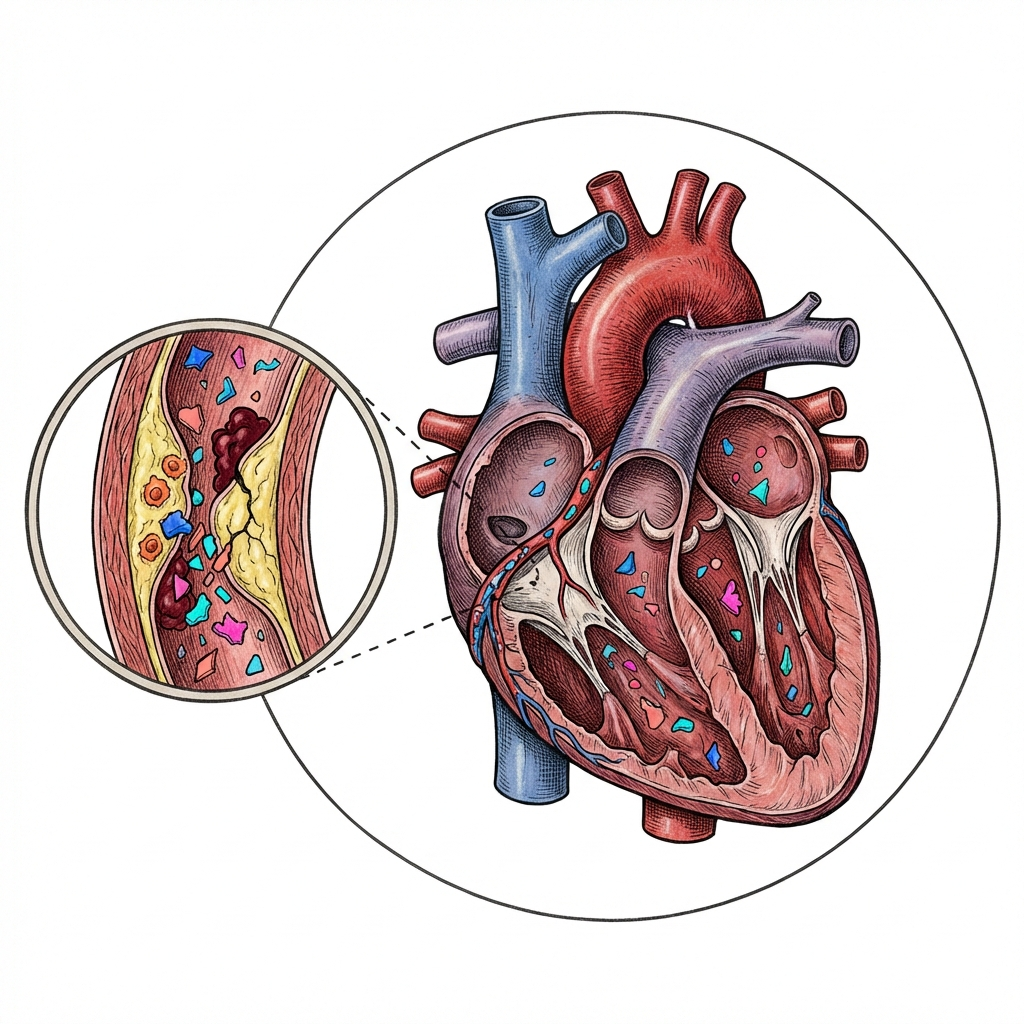
4.5× Higher Risk of Heart Attack or Death
58% of patients had nanoplastics in their arterial plaques. Particles trigger inflammation that destabilizes plaque.
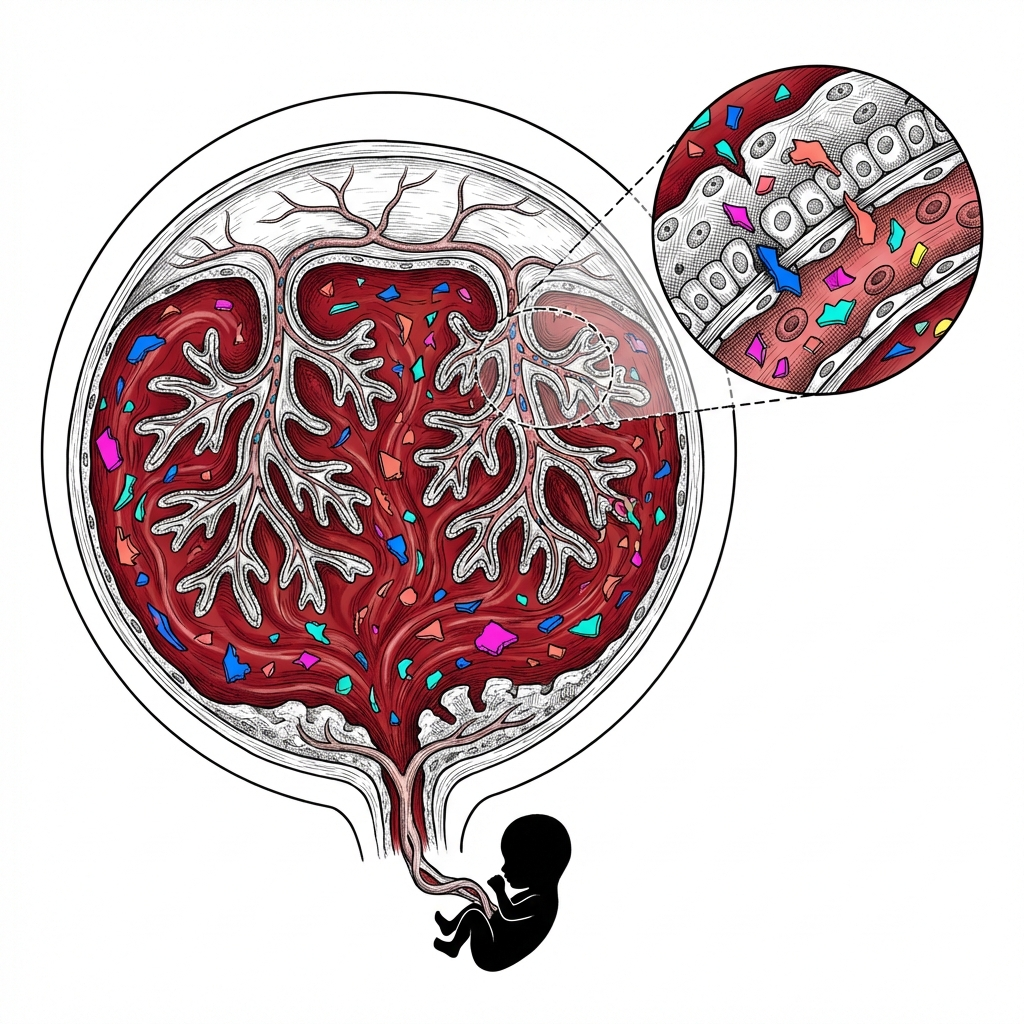
Placenta
Crosses the Maternal-Fetal Barrier
28% higher concentrations found in preterm placentae. Fetal weights 12–15% lower in exposed mothers.
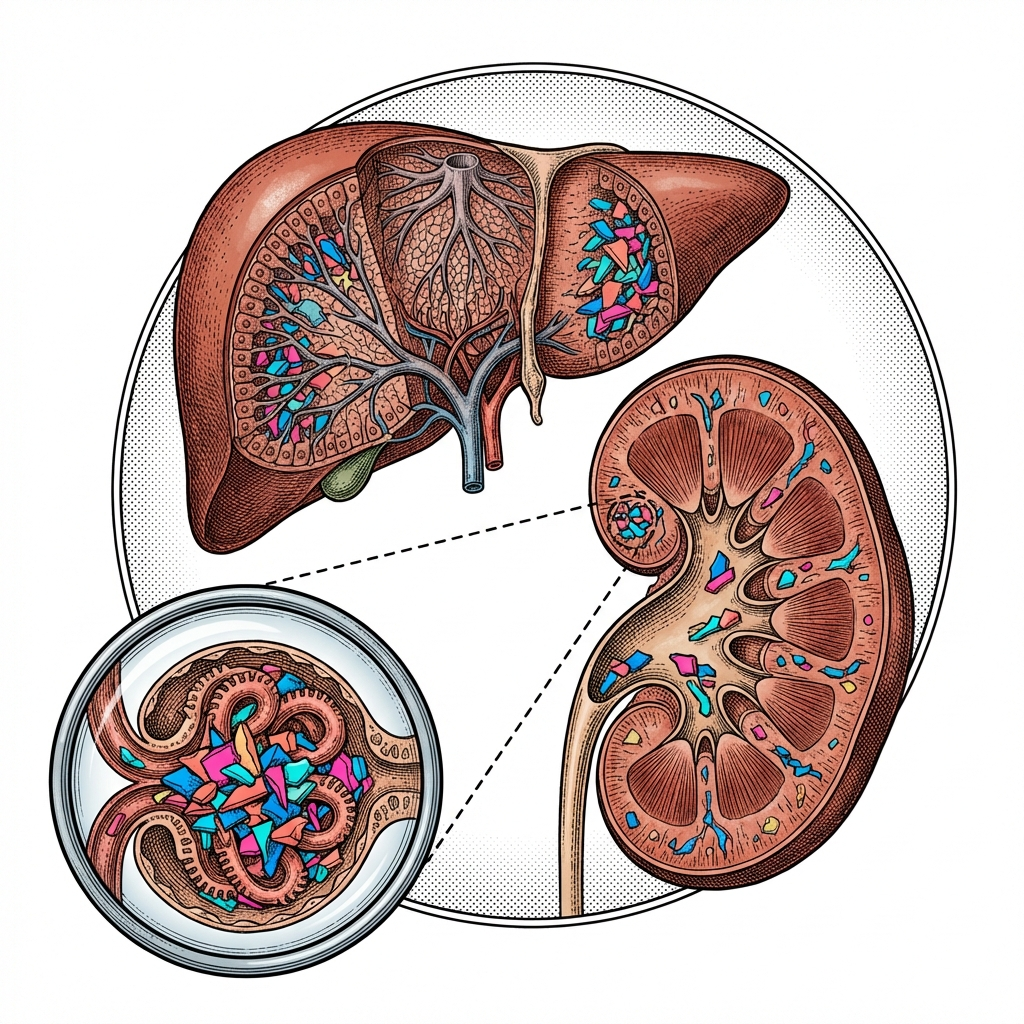
Liver & Kidneys
Accumulation They Can't Clear
The body's primary filtration organs are collecting particles they cannot process or remove. Accumulation rising steadily since 2016.
04 — The Intervention
Probiotics That Capture and Carry
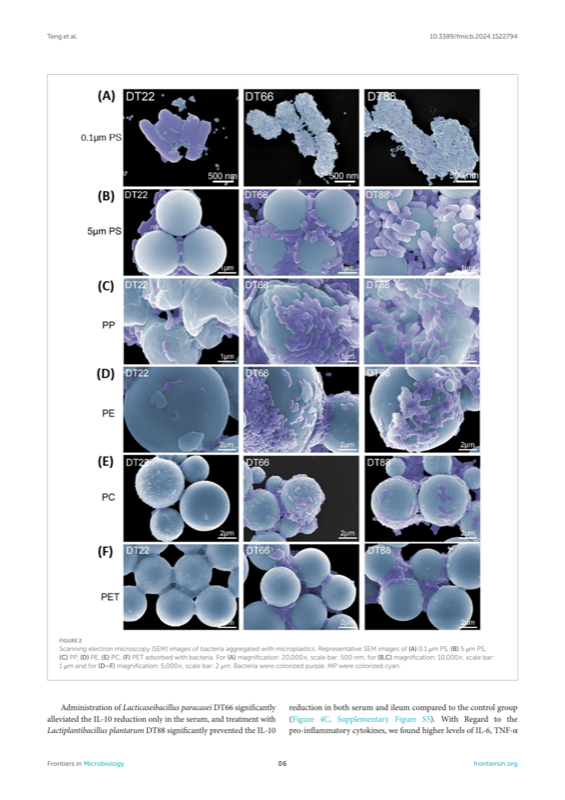
Published research from multiple independent labs shows that specific Lactobacillus plantarum strains bind nanoplastics through electrostatic surface charge and hydrophobic interactions. The bacterial cell wall physically adsorbs particles, while exopolysaccharides aggregate them into clusters too large to cross the gut lining.
In peer-reviewed mouse studies, probiotic treatment increased plastic excretion by 34% and reduced particle retention in the intestine by 67%. A separate study found a three-strain cocktail bound 77% of nanoplastic particles at near-nanoscale size.
Teng et al., Frontiers in Microbiology, 2025; Zhao et al., Chemosphere, 2023; Rezaie Rahimi et al., 2025
05 — Our Approach
Designed for the Right Place at the Right Time
DetoxBio uses a two-stage delivery system. First, a cationic polymer helps pre-aggregate dispersed nanoplastics in the stomach through electrostatic attraction. Then, enteric-coated probiotic strains are released in the small intestine — the exact zone where particles would otherwise cross into the bloodstream — where they bind the pre-aggregated clusters and support their excretion through normal digestion.
The strains also support gut barrier integrity and antioxidant response, helping reduce the inflammatory cascade that nanoplastic exposure can trigger.